OS X Mountain Lion Apps Now Ask Permission to Access Contacts
Dustin Curtis points out that in the latest developer seed of OS X Mountain Lion, Apple now requires OS X Apps to get explicit permission to access your address book information.
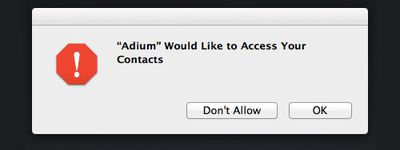
The move mirrors recent changes made to iOS which will also ask the user for permission for an App to access their contact data. The change in policy came after it was revealed that some iOS apps were quietly collecting and transmitting customer address book data without their permission.
At the time, Apple issued this statement:
“Apps that collect or transmit a user’s contact data without their prior permission are in violation of our guidelines,” Apple spokesman Tom Neumayr told AllThingsD. “We’re working to make this even better for our customers, and as we have done with location services, any app wishing to access contact data will require explicit user approval in a future software release.”
The policy now appears to extend to OS X Mountain Lion as well as iOS. Users can later manage these permissions in a new "Privacy" tab in System Preferences.
Popular Stories
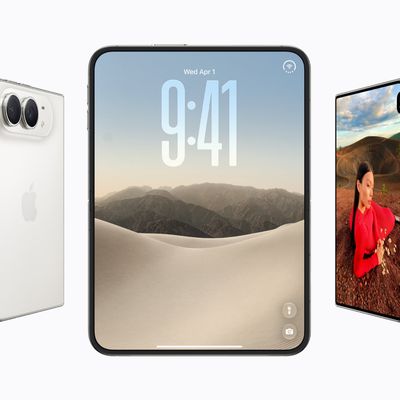
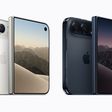
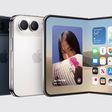
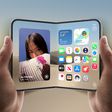
With just three days to go until the iPhone Duo is released, Apple is getting ready for the launch. Behind the scenes, the App Store now has screenshots of Apple's built-in apps running on the Duo. We've seen some apps in marketing materials, but images of the ones we haven't seen give us an idea of what it will be like using the iPhone Duo day to day.
Many apps are shown in landscape...
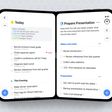
Apple has temporarily removed Keynote, Pages, and Numbers from the App Store, just after releasing an update that added iPhone Duo support and a new Intelligent Assistant.
It is not clear if the apps were removed intentionally, or if it is a bug. Apple has not said when the apps will be reinstated, but if it was in error, they should return soon.
Update: The Mac versions are back without...
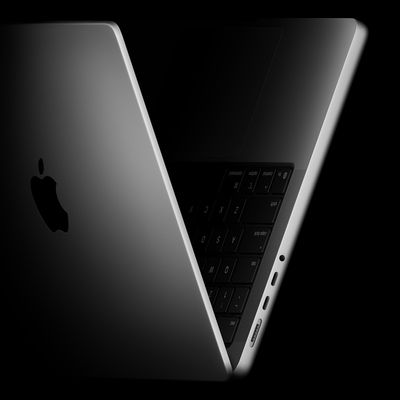
Apple today sent out invites for an experience in Los Angeles on Wednesday, October 28, and the "Pro and tell" tagline on the invitation likely means that the rumored MacBook models with touch-enabled OLED displays will stick with MacBook Pro branding instead of the once-rumored "MacBook Ultra" name.
The long-rumored "iPhone Ultra" ended up being named iPhone Duo, so speculation that Apple...