iOS 8 Adoption Hits 87% Ahead of iOS 9 Release
Apple's iOS 8 is installed on 87% of iOS devices a year after its release, according to new numbers shared by Apple on its App Store developer page. The new numbers come on the eve of the launch of Apple's newest mobile operating system, iOS 9.
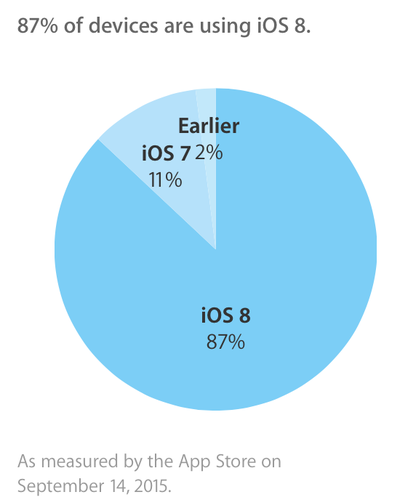
iOS 8 adoption has been somewhat slower than iOS 7, with iOS 8 hitting 72% adoption in January 2015. iOS 7 was at 80% adoption at the same point. Additionally, iOS 8 reached 81% adoption in late April, only growing 6 percentage points in a little over four months.
Comparatively, the latest version of Android (5.1, aka Lollipop) sits at a 5.1% adoption rate. However, Android updates often take a long time to propagate to customers, partly because cell phone manufacturers and cellular carriers must bake in their apps and interfaces into the operating system.
According to mobile analytics firm Mixpanel, iOS 9 currently holds a ~1.04% adoption rate, which includes public beta testers and developers. That number will likely increase dramatically as the operating system will push to iOS users tomorrow, September 16.
Popular Stories
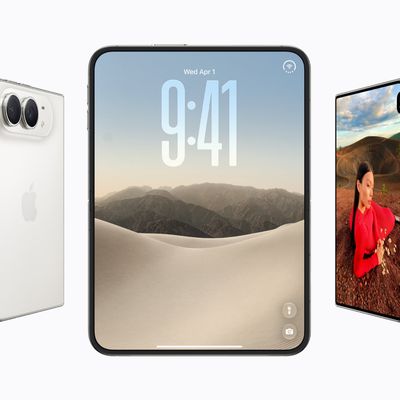
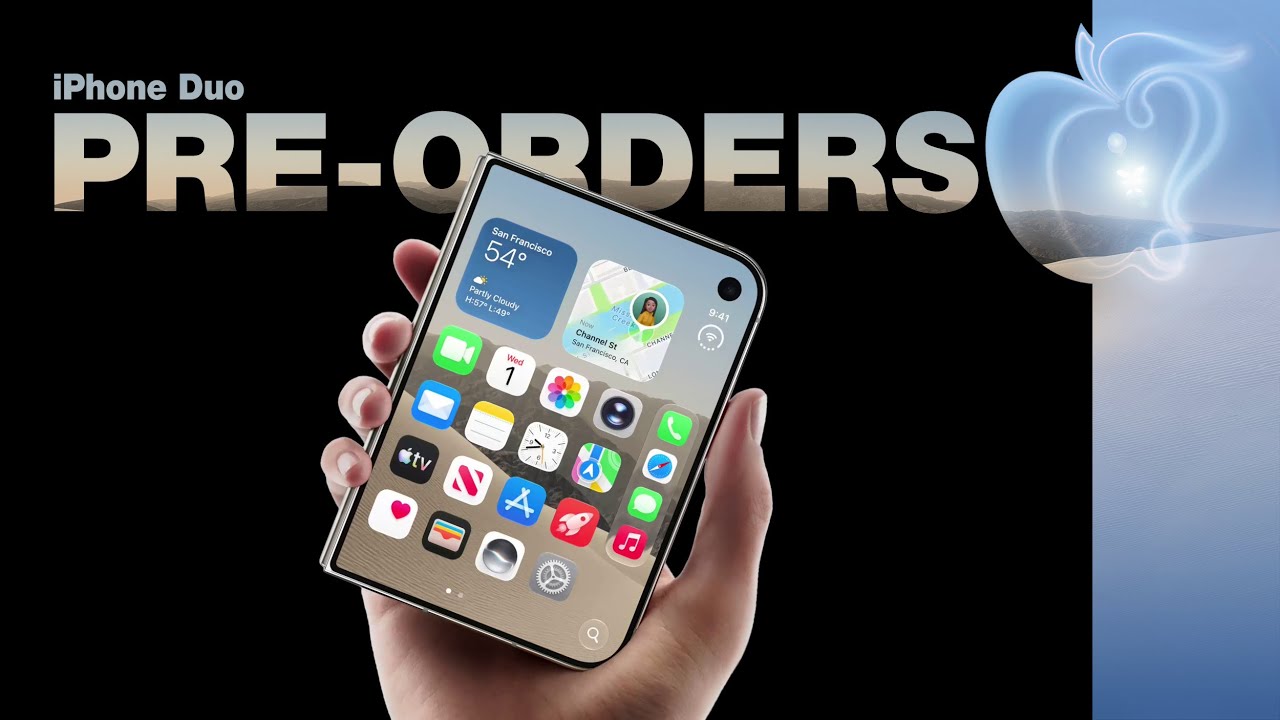
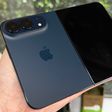
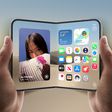
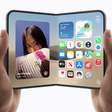
With just three days to go until the iPhone Duo is released, Apple is getting ready for the launch. Behind the scenes, the App Store now has screenshots of Apple's built-in apps running on the Duo. We've seen some apps in marketing materials, but images of the ones we haven't seen give us an idea of what it will be like using the iPhone Duo day to day.
Many apps are shown in landscape...
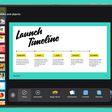
Apple has temporarily removed Keynote, Pages, and Numbers from the App Store, just after releasing an update that added iPhone Duo support and a new Intelligent Assistant.
It is not clear if the apps were removed intentionally, or if it is a bug. Apple has not said when the apps will be reinstated, but if it was in error, they should return soon.
Update: The Mac versions are back without...
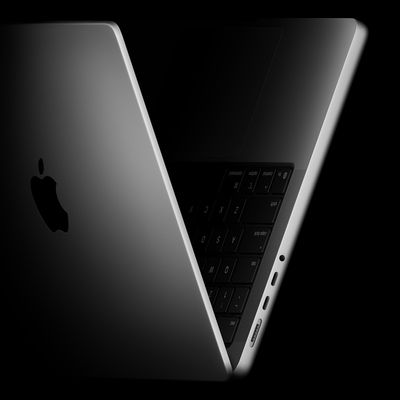
Apple today sent out invites for an experience in Los Angeles on Wednesday, October 28, and the "Pro and tell" tagline on the invitation likely means that the rumored MacBook models with touch-enabled OLED displays will stick with MacBook Pro branding instead of the once-rumored "MacBook Ultra" name.
The long-rumored "iPhone Ultra" ended up being named iPhone Duo, so speculation that Apple...