Apple Stops Signing iOS 13.7 After Releasing iOS 14, Downgrading No Longer Possible
Following the release of iOS 14 last Wednesday, Apple has stopped signing iOS 13.7, which means downgrading to iOS 13 after upgrading to iOS 14 is no longer possible.

Apple routinely stops signing older versions of software updates after new releases come out in order to encourage customers to keep their operating systems up to date.
As of Monday, iOS 14 was installed on approximately 26 percent of active iPhone, iPad, and iPod touch devices, and earlier today, the first jailbreak for iOS 14 devices was released. The jailbreak only works with devices that have an A9 chip and earlier because of new security mitigations put in place by Apple.
iOS 14 is the current publicly available version of iOS that people can download, but there's also a version of iOS 14.2 that has been provided to developers and public beta testers. iOS 14.2 introduces a new Shazam Music Recognition feature for the Control Center, while also bringing some other Apple Music-related Control Center tweaks.
Popular Stories
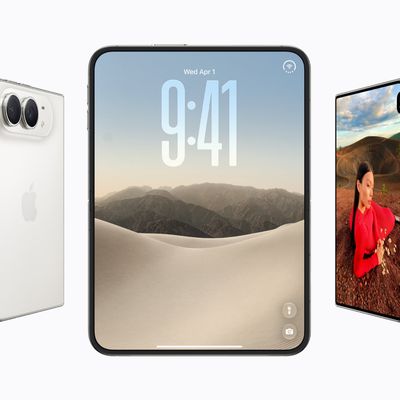
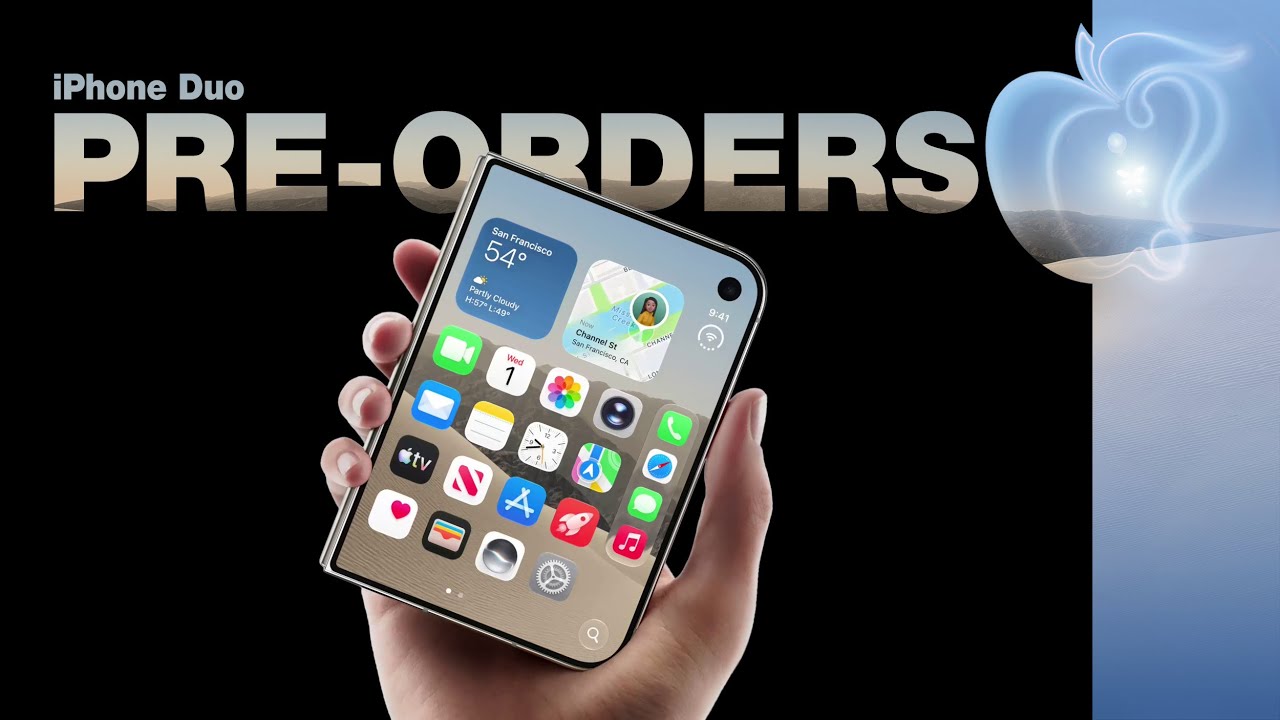
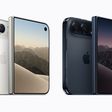
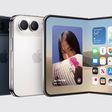
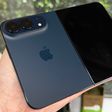
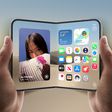
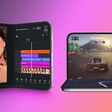
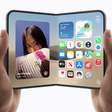
With just three days to go until the iPhone Duo is released, Apple is getting ready for the launch. Behind the scenes, the App Store now has screenshots of Apple's built-in apps running on the Duo. We've seen some apps in marketing materials, but images of the ones we haven't seen give us an idea of what it will be like using the iPhone Duo day to day.
Many apps are shown in landscape...
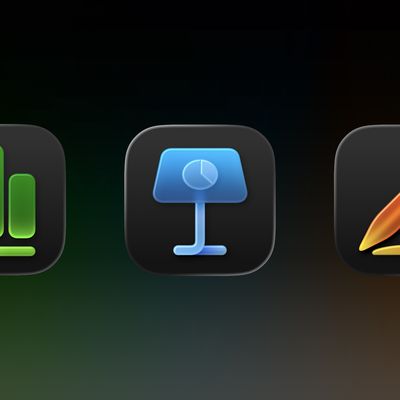
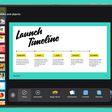
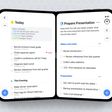
Apple has temporarily removed Keynote, Pages, and Numbers from the App Store, just after releasing an update that added iPhone Duo support and a new Intelligent Assistant.
It is not clear if the apps were removed intentionally, or if it is a bug. Apple has not said when the apps will be reinstated, but if it was in error, they should return soon.
Update: The Mac versions are back without...
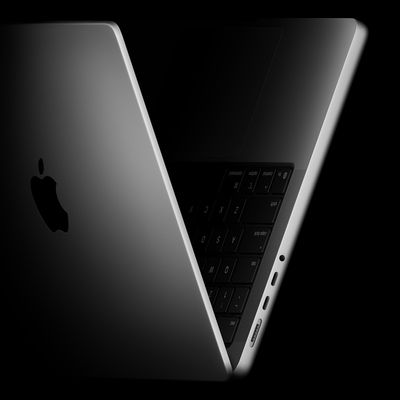
Apple today sent out invites for an experience in Los Angeles on Wednesday, October 28, and the "Pro and tell" tagline on the invitation likely means that the rumored MacBook models with touch-enabled OLED displays will stick with MacBook Pro branding instead of the once-rumored "MacBook Ultra" name.
The long-rumored "iPhone Ultra" ended up being named iPhone Duo, so speculation that Apple...