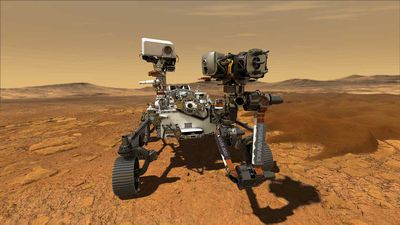
NASA's Perseverance rover, which recently made history landing on the surface of Mars, is powered by the same processor used in an iMac more than 23 years old.
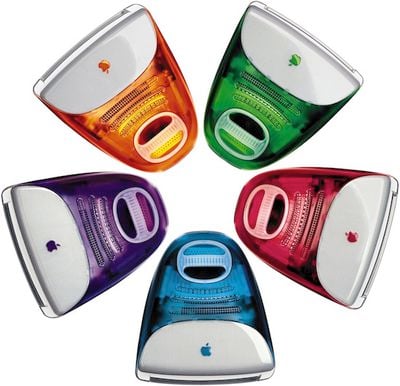
As reported by NewScientist (via Gizmodo), the rover includes the PowerPC 750 processor, the same chip used in the G3 iMac in 1998.
The main chipset is the same; however, there are differences between the version of the processor shipped in a consumer computer and the one exploring space. The processor in the rover is built to withstand temperatures between -67 and 257 degrees Fahrenheit (−55 and 125 degrees Celsius) and comes with an added $200,000 price tag.
The PowerPC 750 processor was ahead of the game for its time, featuring a single-core, 233MHz processor, 6 million transistors (compared to today's 16 billion in a single chip), and based on 32-bit architecture.
Apple used PowerPC chips in Mac computers until it transitioned to Intel in 2005. Right now, Apple's going through a similar change, moving away from Intel to deploy its own custom Apple silicon in Macs.
Bethesda's beloved role-playing game "The Elder Scrolls V: Skyrim" has reached multiple generations of consoles since its 2011 debut, but it never officially came to the Mac. A new unofficial project called SkyrimMT now aims to make playing and modding it on Apple silicon Macs easier than ever.
Mac owners have found ways to play Skyrim over the years, including installing Windows through...
Monday October 19, 2026 9:37 am PDT by Joe Rossignol
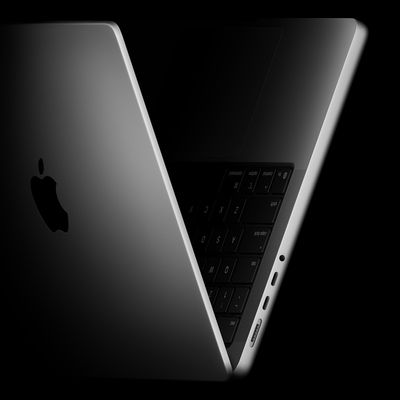
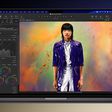
Apple today sent out invites for an experience in Los Angeles on Wednesday, October 28, and the "Pro and tell" tagline on the invitation likely means that the rumored MacBook models with touch-enabled OLED displays will stick with MacBook Pro branding instead of the once-rumored "MacBook Ultra" name.
The long-rumored "iPhone Ultra" ended up being named iPhone Duo, so speculation that Apple...
Tuesday October 20, 2026 11:12 am PDT by Juli Clover
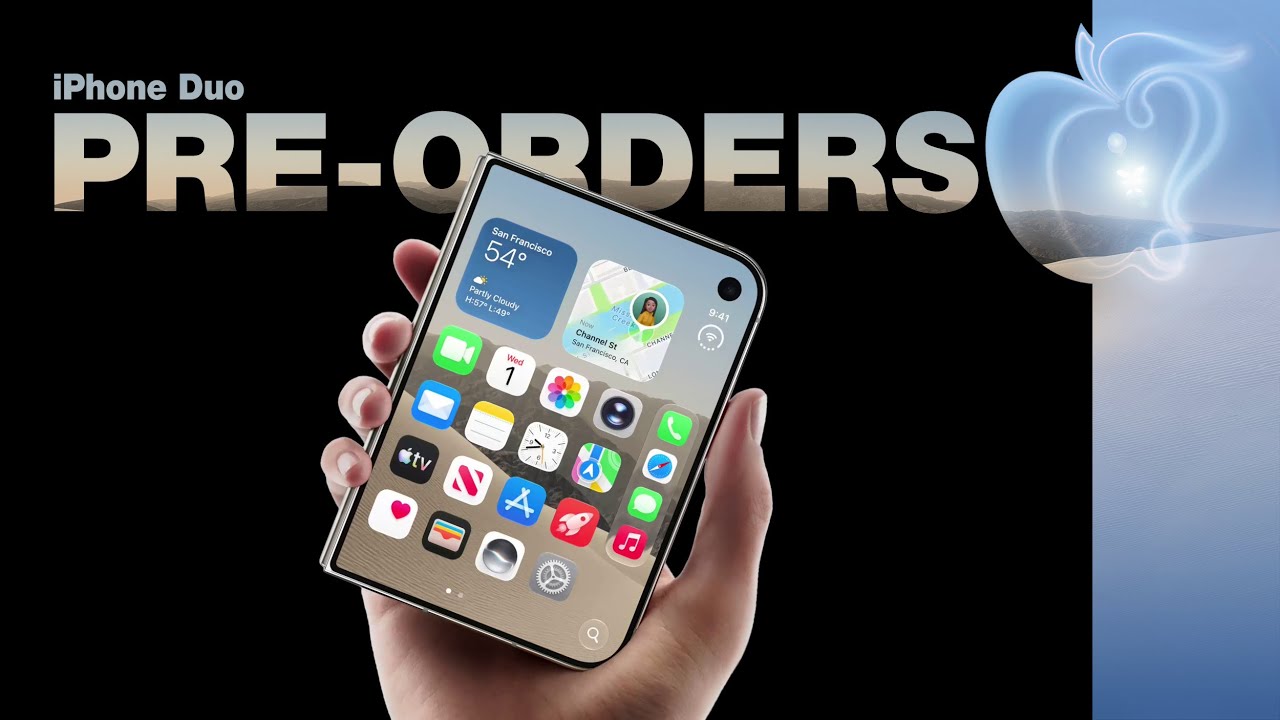
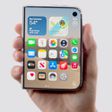
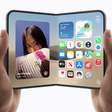
With just three days to go until the iPhone Duo is released, Apple is getting ready for the launch. Behind the scenes, the App Store now has screenshots of Apple's built-in apps running on the Duo. We've seen some apps in marketing materials, but images of the ones we haven't seen give us an idea of what it will be like using the iPhone Duo day to day.
Many apps are shown in landscape...
Because super-reliability is more important than compute power. The G3 is also used e.g. as mission computer in fighter jets. The feature is called fail-safe
if a more than two decade old processor is good enough to find out evidence of extraterrestrial past life, then I got no excuse to be buying anything that Tosser Prosser is predicting anytime soon
It's also radiation hardened, which is where the price tag comes from (and also the most important thing setting it aside from the actual PowerPC 750 found in the iMac G3)
Anything launched into space has typically been in a multiple years long project, sometimes decade(s) long. It also usually costs a gazillion dollars.
What matters most is reliability and predictability... especially for something going millions (or billions) of miles away and not coming back that we can’t send astronauts to physically fix.
Most of the closed loop systems aboard aircraft, spacecraft, submarines, weapons and similar applications have very old, proven, but mundane processors and operating systems aboard... the last thing you want is “the new kid on the block” when the stakes are so high. Although parts of it are modernized as needed, the ECU in a typical car has the processing power no more than a Texas Instruments calculator... some of the software in Boeing and Airbus jets is virtually unchanged since the 1980s as well.
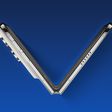
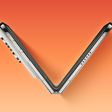
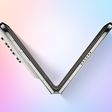
Apple's first foldable iPhone, with a book-style design featuring a 5.4-inch outer display and a 7.6-inch inner display with a minimal crease down the middle.