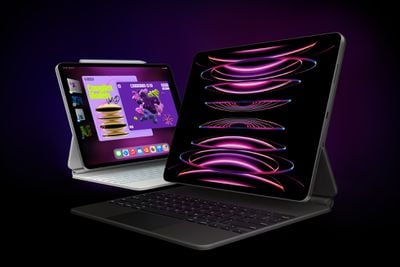
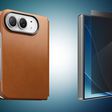
The new M2iPad Pro supports Wi-Fi 6E, the latest Wi-Fi standard that supports faster speeds, lower latency, and improved capacity in busy areas.
The new M2 iPad Pro is currently the only Apple product that supports Wi-Fi 6E, with rumors that the iPhone 13 or iPhone 14 would add support not turning out to be true. The new iPad Pro is an incremental upgrade, featuring the same design as last year's model but with the added benefit of the M2 Apple silicon chip. The new iPad Pro is available to order today, with shipping and availability in stores beginning on Wednesday, October 26.
Monday October 19, 2026 9:37 am PDT by Joe Rossignol
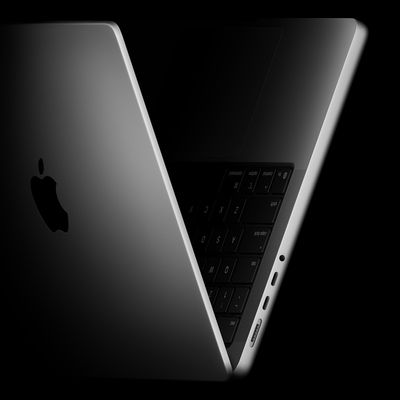
Apple today sent out invites for an experience in Los Angeles on Wednesday, October 28, and the "Pro and tell" tagline on the invitation likely means that the rumored MacBook models with touch-enabled OLED displays will stick with MacBook Pro branding instead of the once-rumored "MacBook Ultra" name.
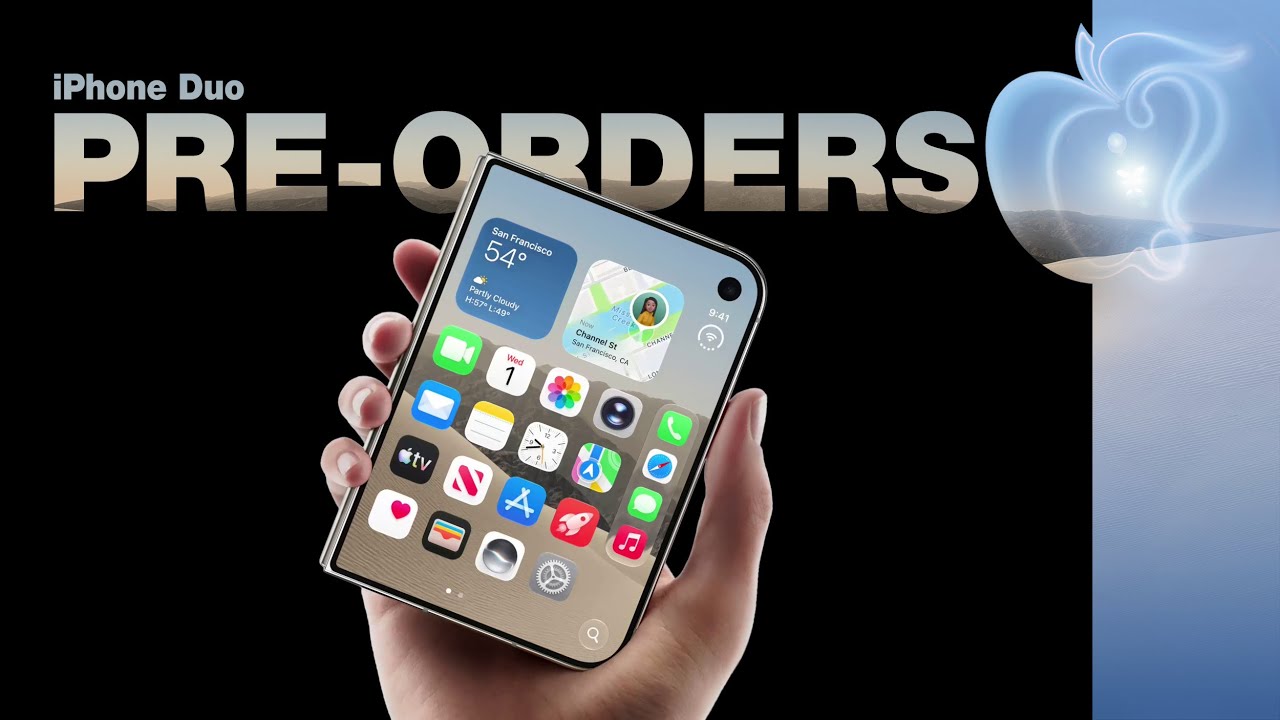
The long-rumored "iPhone Ultra" ended up being named iPhone Duo, so speculation that Apple...
Tuesday October 20, 2026 11:12 am PDT by Juli Clover
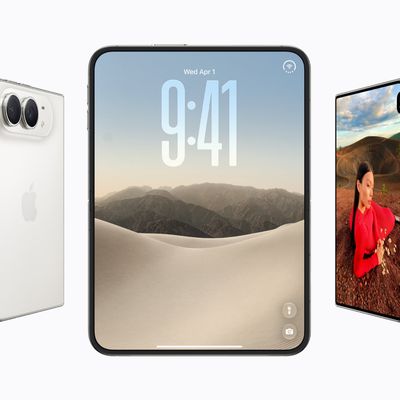
With just three days to go until the iPhone Duo is released, Apple is getting ready for the launch. Behind the scenes, the App Store now has screenshots of Apple's built-in apps running on the Duo. We've seen some apps in marketing materials, but images of the ones we haven't seen give us an idea of what it will be like using the iPhone Duo day to day.
Many apps are shown in landscape...
Monday October 19, 2026 9:05 am PDT by Juli Clover
Apple's Greg Joswiak today hinted at new product announcements coming next week, sharing a social media post that says "Can't wait to pro and tell next week."
Rumors suggest Apple is planning to debut the new MacBook Pro with an OLED touchscreen display, an M6 entry-level MacBook Pro, an M6 iMac, an iPad mini with an OLED display.
Can't wait to pro and tell next week....
6Ghz support is not a requirement of WiFi 6e. The 6Ghz spectrum is not (yet) available in every country.
Wrong. The e in 6e stands for 6 Ghz support. It it is still based on the 80211.ax radio interface, but uses 6 GHz where available.
From a reputable router manufacturer TP-Link: https://www.tp-link.com/us/blog/86/what-s-the-difference-between-wifi-6-and-wifi-6e/#:~:text=What is WiFi 6E and,to the 6 GHz band ('https://www.tp-link.com/us/blog/86/what-s-the-difference-between-wifi-6-and-wifi-6e/#:~:text=What%20is%20WiFi%206E%20and,to%20the%206%20GHz%20band').
In fact, WiFi 6E is identical to WiFi 6 with an addition of “E”, which stands for “Extended” — as in an extended number of the usable wireless band, the 6 GHz band. So simply put, WiFi 6E means WiFi 6 extended to the 6 GHz band.
6 GHz is the new frequency band ranging from 5.925 GHz to 7.125 GHz, allowing up to 1,200 MHz of additional spectrum. Unlike the existing bands on which channels are currently crammed into the limited spectrum, the 6 GHz band exists without overlap or interference. Access to the 6 GHz frequency brings more bandwidth, faster speeds, and lower latency, opening up resources for future innovations like AR/VR, 8K streaming, and more.
Wi-Fi 6E should have been included on iPhone 14 Line up. But, I guess Apple is saving that for iPhone 15.
One reason: Apple wants a lower power consumption WiFi 6E compatible chip first. The larger size of the iPad Pros and the next MacBook Pros will support WiFi 6E now because the power consumption of the WiFi chip is less of an issue.
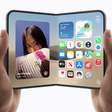
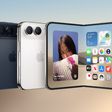
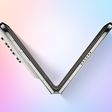
Apple's first foldable iPhone, with a book-style design featuring a 5.4-inch outer display and a 7.6-inch inner display with a minimal crease down the middle.